
Ms. Komal Bhandari, Founder – Chairperson Shaping Hands Preschool, Nashik

As the new BHARAT confidently marches towards becoming a VISHWAGURU across various fields, there is one vital aspect that often fades into the background—our timeless legacy of education rooted in values, culture, and tradition. India has always been a guiding light for humanity, not merely because of its intellectual achievements, but because of the deep moral and ethical foundation on which its education system was built.
The Indian civilization has withstood the harshest tests of time. While many contemporary civilizations have either disappeared or lost relevance, India continues to thrive, owing to its strong cultural and educational roots. History bears testimony to this greatness through divine and ideal personalities such as Lord Rama, Lord Krishna, Kautilya, and Kalidasa, and world-renowned centers of learning like Nalanda and Takshashila. The cornerstone of this rich heritage was India’s unique and holistic education system.
In contrast, the modern understanding of education has gradually drifted from its true purpose. Today, education is often viewed merely as a means to acquire degrees, skills, or employment. The misconception that “Westernization is modernization” and that Western education alone is complete has resulted in an imbalanced and incomplete educational outlook. What is conspicuously missing—or at best undervalued—is Value Education.
Education without values is like food without nutrition. While food nourishes the body, value-based education nourishes the mind and soul. An education system devoid of values can lead to intellectual growth without moral grounding, making it potentially dangerous and even destructive. Education, when isolated from values, becomes a double-edged sword; but when values are infused, it transforms into a powerful creative force capable of shaping a harmonious society.
The quality of education directly influences the quality of society. Every society contains both positive and negative elements, but it is value education that ensures goodness prevails over evil, maintaining social balance and humanity. In the Indian context, education has always aimed at holistic development—not merely knowledge acquisition, but liberation through right thoughts, right conduct, and right actions.
In today’s technology-driven era, children are exposed to excessive screen time, distractions, and behavioral challenges at a very tender age. Declining tolerance levels, reduced attention spans, and emotional imbalance are early warning signs. If left unchecked, the long-term consequences of our so-called “modern lifestyle” could be deeply damaging.
Value education, though it may seem complex, can be seamlessly integrated into daily life. Simple practices—encouraging saving habits, involving children in donating food, respecting traffic rules, honoring community helpers, and demonstrating empathy—have an extraordinary impact on a child’s character. These everyday actions silently sow seeds of lifelong values.
Scientific research highlights that maximum brain development occurs in the first eight years of a child’s life. Introducing values such as kindness, compassion, honesty, gratitude, courage, and selflessness during these formative years helps shape responsible, ethical, and emotionally balanced citizens.
India does not need to look elsewhere for value education. Our scriptures, traditions, and epics are vast reservoirs of wisdom. The Ramayana and Mahabharata are not mere stories—Abhimanyu teaches courage, Arjuna teaches focus, Karna teaches loyalty, Lord Rama embodies dignity and moral conduct, Lord Krishna exemplifies selfless action, Lakshmana represents service, and Mata Sita symbolizes purity and strength.
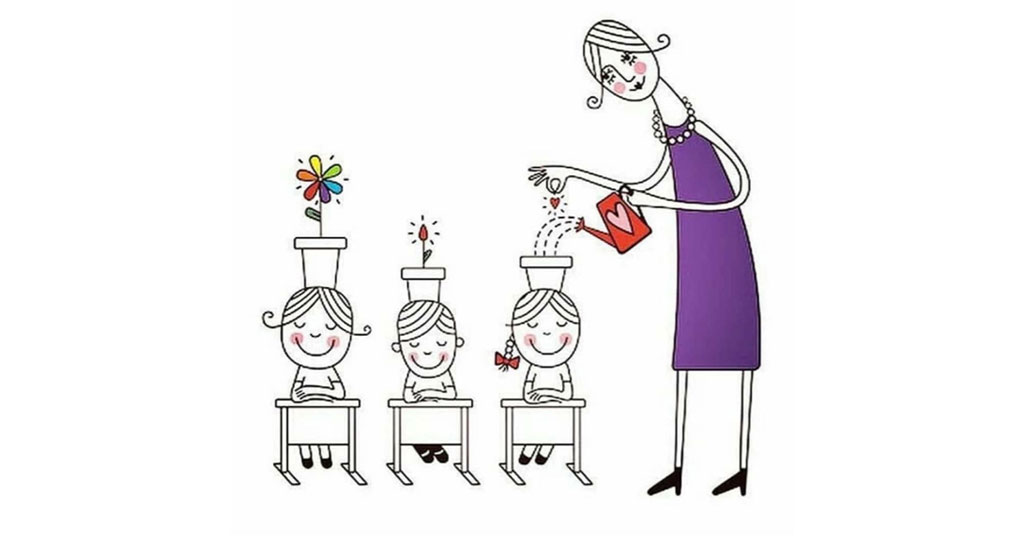
The National Education Policy (NEP) is a commendable step toward experiential and value-based learning. However, it also places a greater responsibility on educators. Teachers, as the frontline agents of social change, must lead this transformation by integrating values into everyday learning experiences.
Education without values is like a sea voyage without a compass. True education goes beyond textbooks. Let us collectively resolve to shape the future of our nation through the Shaping Hands of Value Education, and guide Bharat toward becoming a VISHWAGURU in its true sense and spirit.