
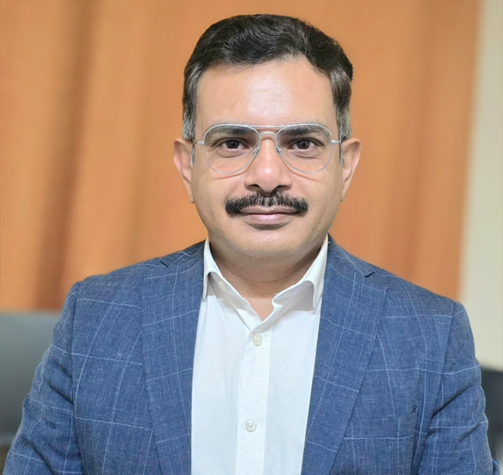
Prof. (Dr.) Sunil Kumar,
Professor & Head – Department of Economics, Alliance University, Bengaluru
The significance of education in developing and sustaining individuals, societies and the economy cannot be overlooked. As digitalisation continues to be prevalent and the demand of a diversified workforce requires numerous learners every day, it is vital that we utilise the best practices of education in creating effective learning environments. The combination of these best practices will not only improve student academic performance but also promote critical thinking, creativity, inclusiveness, and develop a lifelong commitment to learning.
The learner-centric approach to teaching and learning is a key component of best practices of education, in contrast to the traditional teacher-controlled classroom model. This approach promotes a collaborative learning environment that is positive for learners. Learner-centric environments encourage greater levels of student participation, inquiry, collaboration, and self-reflection. Facilitators take into account the interests, background, and learning styles of their students to develop an active and outcome-focused course of study. When learners feel valued and involved, they are more likely to be motivated and remain engaged in their educational pursuits.
A third fundamental aspect of this study is the incorporation of technology into instructional methodology and learning. When properly applied, technology provides students with new avenues and avenues of learning by providing students with various options for learning experiences through a variety of mediums such as the Internet and other digital platforms. Digital resources make it possible for each student to progress through their studies according to their unique learning needs and continue to build on what they have learned. For the effective integration of technology to be successful, the technology used must be aligned with the expected learning outcomes, and all students must have equal opportunity to utilise the digital resources.
The principle of creating inclusive educational settings is fundamental to all teaching-learning processes. The development of an inclusive educational setting, using identified best practices as resources, should provide all learners regardless of their gender, ability level (physical, emotional, or intellectual), socioeconomic class, and ethnic/cultural background, with a place that is welcoming and supportive of their learning and maximises their opportunities to reach their highest degree of achievement. Examples of inclusion practices include specific methods of instruction, universal design for learning, academic/emotional support services, and so forth; these approach the needs of a diverse student population by reducing the barriers to such an environment and increasing access to equity, thereby maximising the potential of all students.
Assessment-for-learning (AfL) is an important best practice in education, in addition to Assessment-of-Learning (AoL). In educational processes that use continuous/formative assessment, the Educator assesses the student’s progress, identifies areas of need, and adjusts instruction accordingly. Feedback is vital in this process; through constructive, immediate, and specific feedback, teachers offer students the opportunity to reflect on their own learning and to take ownership of their education. When assessment is viewed as a way to promote growth rather than merely as a method of measurement, a higher level of understanding may be achieved and a higher level of achievement allowed.
The role of the educator as mentor/facilitator is just as important. The educator who is a reflective practitioner has the ability to create and manage an effective learning environment by being flexible, adaptable, and committed to lifelong professional learning as a result of being able to keep up with new pedagogical practices, content knowledge, and technology. Creating an environment where teacher/student relationships are built on trust and mutual respect is essential to creating an engaged and positive classroom environment. Another best practice in education is called collaborative learning. Students can interact through group discussions, peer tutoring, and project-based learning activities. Students are able to develop communication and collaborative skills while interacting with others who have diverse perspectives and sharing their thoughts, ideas, and experiences through collaborative learning techniques. Collaborative learning is akin to real-world problem-solving, whereby students build teamwork and leadership skills for their professional careers.
Ultimately, effective learning environments do not simply focus on the academic aspect; they also address the social/emotional aspect of an individual’s total development. Schools and educational institutions that support learner development of well-being, resiliency, ethical values (e.g., honesty, integrity), and citizenship (i.e., community responsibility) develop learners with the skills necessary to be able to have productive careers and also be contributing members of society. This support from an institution comes from three areas: (1) creating a positive culture within the institution, (2) implementing policies that support well-being, and (3) fostering good relationships between the institution and families/communities.
In summary, the best practice in cultivating learning environments for learners is to find the practice that works best for the institution’s environment and culture and for the particular learner. All of these practices have one common conclusion: That is the focus of providing learner-centered practices, inclusion, meaningful assessments, intentional technology usage (and how learners will use technology), and commitment to lifelong professional development so that institutions are creating the most successful learner capable of thriving within the highly complicated and globalised society we live in.