
Dr. Kamana, Associate Professor, Amity University Rajasthan, Jaipur

Education is a very significant factor in forming individuals and society. It helps individuals become knowledgeable, skilled, and confident. Along with individual development, education also assists in forming a fair and equal society. In a vast and varied country like India, inclusive education is required because children belong to different social, cultural, and economic setups. Inclusive education provides an opportunity to every child to learn. The National Education Policy (NEP) 2020 is a major step taken to enhance the education system and make it more inclusive.
What is Inclusive Education?
Inclusive education is the process of forming a school system in which every child feels welcome and supported. It aims at eliminating obstacles that hinder children from learning. It is not only about allowing children to attend schools but also about assisting them in achieving success in their educational and social life.
Inclusive education caters to children with disabilities, poor children, children from rural or tribal areas, and children from socially disadvantaged communities. Inclusive education also addresses gender equity and accommodates different languages and cultures. When schools implement inclusive education, children learn to value diversity and collaborate with each other.
Inclusive education is practiced worldwide through organizations like UNESCO. It promotes the belief that education should be accessible to all, without any discrimination. Inclusive education also aids in overcoming social inequalities and enhancing national development.
Barriers to Inclusive Education
Despite advancements, some challenges still persist. Many schools lack adequate classrooms, educational materials, and qualified teachers. This is more prevalent in rural and distant areas. Children with disabilities might also encounter difficulties since schools lack ramps, specialized teaching aids, and qualified staff.
Financial issues also impact education. Many children discontinue their education because their parents are unable to meet educational expenses. Language differences might also cause learning difficulties if the language of instruction is not the same as the children’s native language.
In some instances, social thinking and stereotypes act as a hindrance. Children from marginalized communities or those with disabilities may experience discrimination. To solve such issues, there is a need for improved planning, adequate funding, and community support.
National Education Policy 2020
NEP 2020 is a significant change brought about by the Indian government through the Ministry of Education. The primary objective of this policy is to enhance the quality of education and ensure that it reaches all students.
The policy emphasizes providing education from childhood to higher education. It promotes skill-based education, critical thinking, and development of the entire personality. One of the primary objectives of NEP is equity, which ensures that all students have equal opportunities to acquire education and develop.
Inclusive Measures in NEP 2020
The policy has several measures to ensure inclusivity in education.
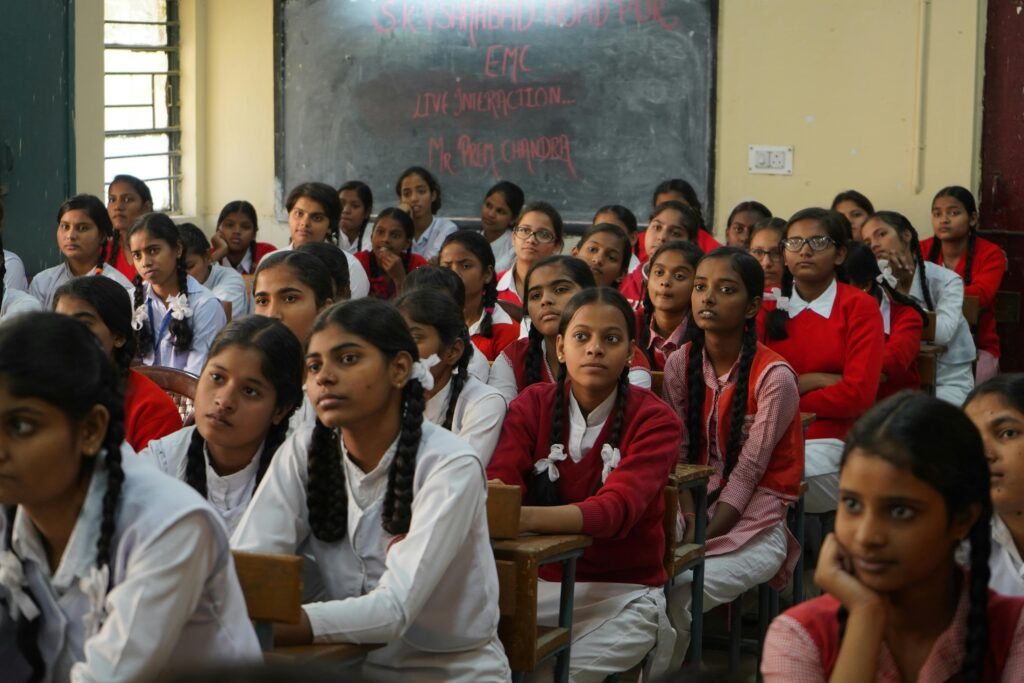
First, it emphasizes universal access. The objective is to ensure that all children attend school and acquire education. Special emphasis is placed on marginalized sections of society, including girls, tribals, rural, and disabled children.
Second, NEP emphasizes early childhood education. Quality preschool education enables children to develop robust foundations and prevents learning gaps later on.
Third, the policy emphasizes mother tongue or regional language education in early classes. This enables students to understand their lessons better and feel at ease in school.
Fourth, NEP emphasizes flexible teaching approaches like activity-based learning and knowledge through experience. This enables students with varying learning styles.
Fifth, the policy emphasizes teacher training. Teachers are trained to manage diverse classrooms and cater to varying learning needs.
Sixth, NEP emphasizes the use of technology. Online learning platforms and technology enable students who cannot attend school regularly.
**Emphasis on Disabilities and Gender Equality**
NEP emphasizes inclusive classrooms where students with disabilities learn alongside other students whenever possible. It also emphasizes special educators, assistive devices, and accessible school buildings.
The policy also emphasizes gender equality. Special initiatives and budgets are utilized to support girls and transgender students, especially in rural areas. This enables the prevention of dropout rates and enhances education opportunities.
Conclusion
Inclusive education plays a significant role in developing a just society. NEP 2020 offers a robust plan to ensure that education is equal and accessible to all students. But it is important to implement it properly.
Inclusive education plays a significant role in developing a future where every child has equal opportunities to learn and grow. It helps to make education a basic right for all and contributes to the overall development of the nation.