
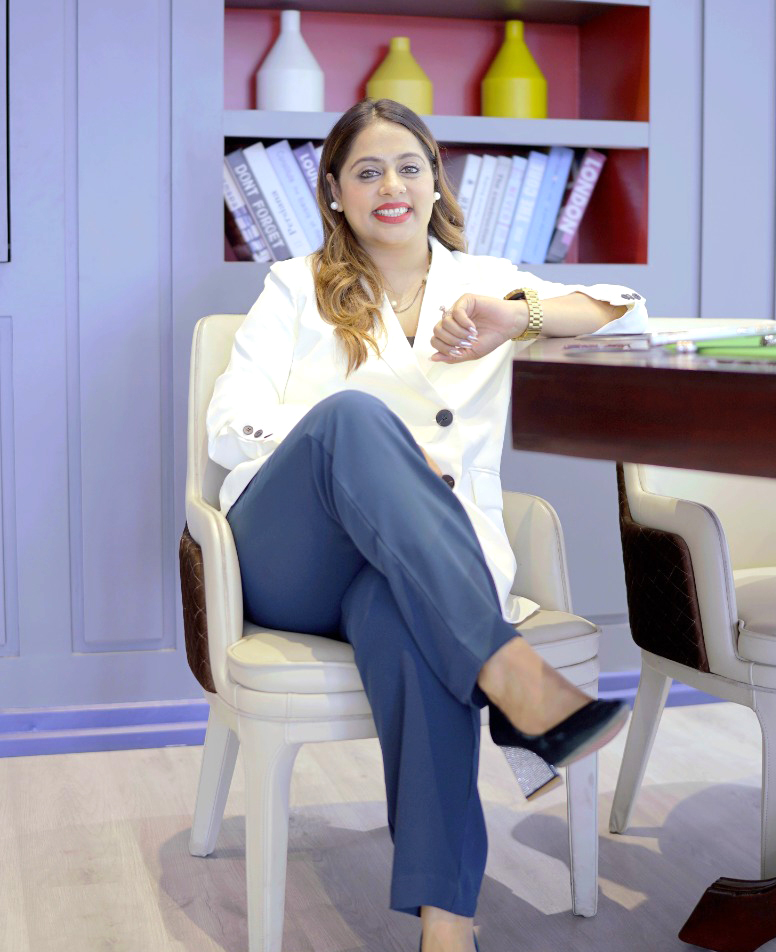
Monieka Khanna, CEO, Mount Olympus Group of Schools
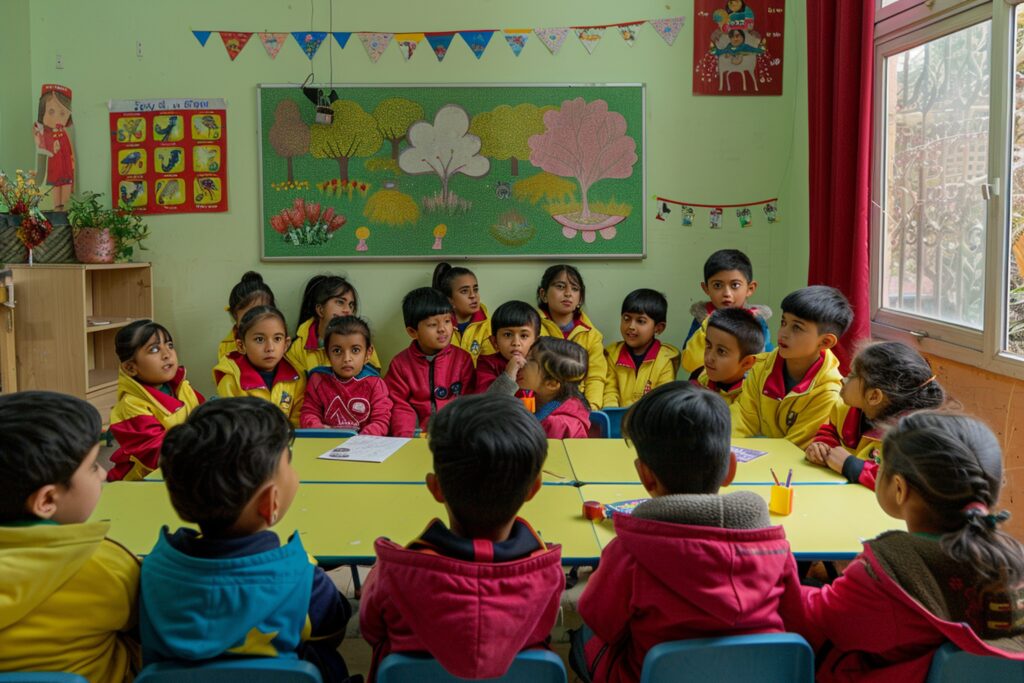
In today’s world, education is everywhere. Information is available at the tap of a finger. Learning flows through screens, social media, AI tools, classrooms, teachers, and mentors apart from only books and notebooks. The real challenge today is not access to education; it is understanding and absorption. Somewhere between tight schedules, heavy syllabi, and constant pressure, we often forget one important truth: every child learns differently. What excites one student may overwhelm another. What motivates one child may silently burden someone else. We live in an age of one curriculum but many minds. Each child has a unique learning rhythm, their own pace, curiosity level, emotional capacity, and comfort zone. While the content may be the same for all, the way it is absorbed is deeply personal. Some children grow with structure, clear targets, and deadlines. Others grow when given space to explore, question, and reflect. When this diversity is ignored and all children are pushed through the same system, the impact becomes visible. Anxiety, fear of failure, loss of confidence, and emotional exhaustion may replace curiosity and joy.
At the same time, learning that is too relaxed or directionless can leave children disengaged and disconnected from purpose. This brings us to an important question: How do we challenge children without pressuring them and give freedom without losing focus? The answer lies in healthy learning. Healthy learning is not about choosing discipline over freedom or comfort over effort. It is about finding a thoughtful balance between the two. It means setting expectations without creating fear, encouraging effort without glorifying burnout, and valuing progress more than perfection. In a healthy learning environment, mistakes are not punished; they are treated as part of growth. Emotional readiness plays a critical role in learning. A child’s mental and emotional state directly affects their ability to understand, retain, and apply knowledge. When children feel safe, supported, and respected, learning becomes natural and meaningful. In this process, the role of teachers evolves. Teachers are no longer just providers of information. They become guides, observers, and builders of confidence. Healthy classrooms are those where questions are welcomed, comparisons are avoided, and feedback strengthens self-belief instead of fear.
Parents too are essential partners in this journey. Learning begins at home-in how effort is appreciated, how results are discussed, and how failure is handled. When children feel emotionally safe at home, they carry that confidence into their learning spaces. The future belongs to balanced learners-children who are emotionally secure, curious, and resilient. Such learners are not afraid to ask questions, try again, or think differently. They grow into adults who can think critically and continue learning throughout life. Education was never meant to be a race or a rigid mold. It is a journey that should stretch young minds without breaking young spirits.
Our responsibility is to create learning environments that are firm yet kind, structured yet flexible, ambitious yet humane. “When learning feels safe, growth becomes limitless.”